Marble is rarely a question of beauty.
Most people are already drawn to it. The real question sitting underneath is whether choosing it for a kitchen is a smart decision or an expensive mistake.
The honest answer is this: marble can be an excellent choice for kitchen countertops. But it only works well when the material matches the way you actually use your space.
Marble brings something few surfaces can. Softness. Movement. A sense that the material is natural, not engineered to look perfect. That is exactly why it continues to show up in thoughtful kitchens.
It also comes with clear tradeoffs.
It can etch. It can wear out. It asks for a certain level of awareness in daily use. None of that makes it a bad material. It just means it is not a neutral one.
So instead of asking whether marble is good or bad, the better question is this:
Is marble right for you?
This guide will walk through what marble gives you, what it asks of you, and how to decide with clarity before you commit.
Why People Still Choose Marble For Kitchens
It Changes The Feel Of A Kitchen
Marble is chosen for the atmosphere it creates.
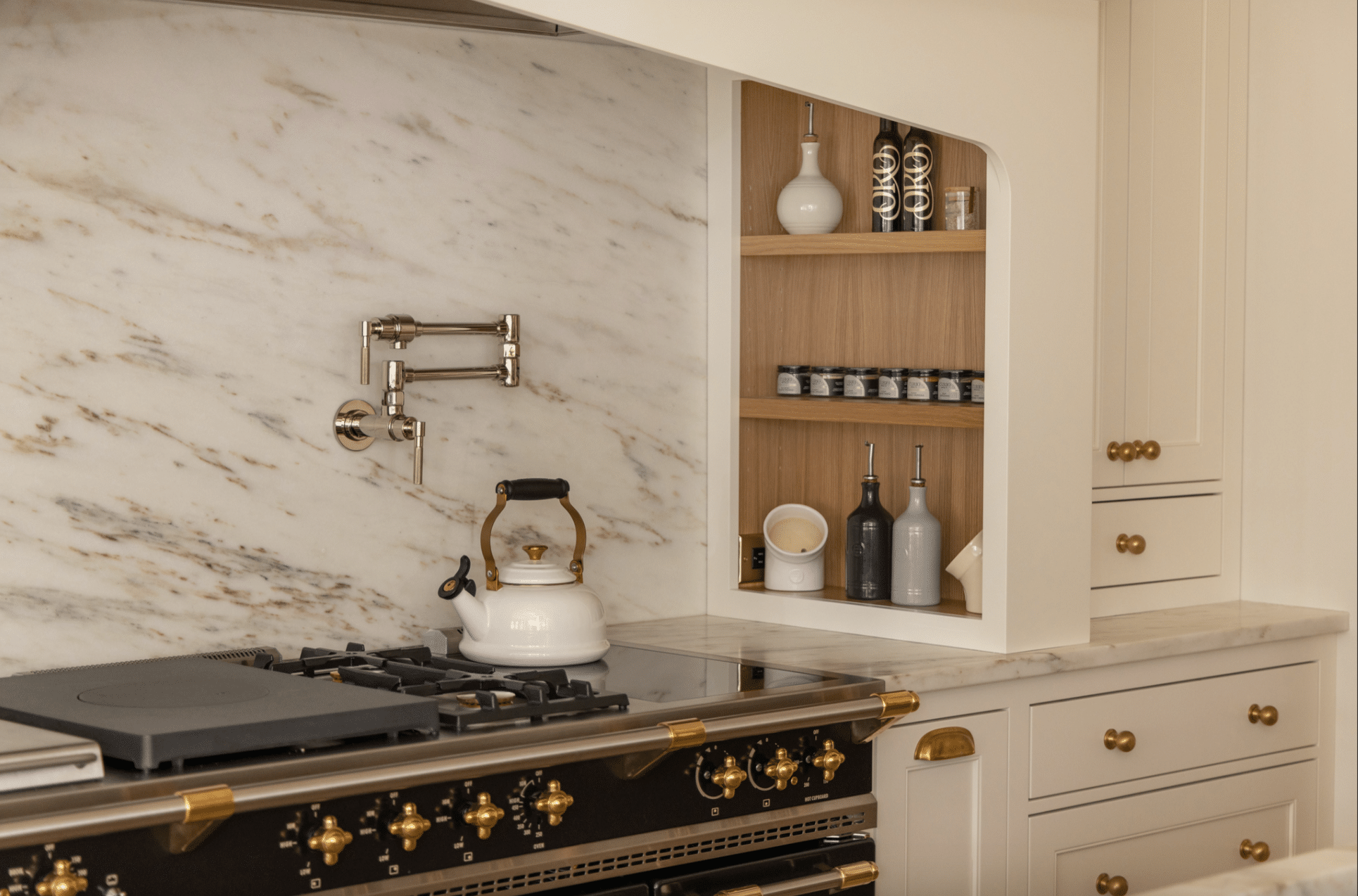
It has a softer visual presence than many other surfaces. The movement feels more natural. The tone variation is usually quieter. In the right kitchen, that makes the room feel more settled and more considered.
That shift is often the reason people keep coming back to it.
It Appeals To People Who Value Character
Marble is rarely chosen by someone looking for the easiest surface.
It is usually chosen by someone who wants a material that feels real, not overly controlled. A surface with variation. A surface that may show use over time, but still feels beautiful because of it.
For the right buyer, that is not a drawback. It is part of the appeal.
The Final Result Depends On Selection
Marble is also a material that rewards careful selection.
The slab itself matters. So do the finish, vein flow, and layout. A marble kitchen tends to feel strongest when those details are reviewed before fabrication, not left to chance.
That level of control is what helps the finished surface feel intentional from the start.
What Marble Asks of You in Daily Use

Etching From Acidic Ingredients
Marble reacts to acids.
Lemon juice, vinegar, wine, and tomato-based foods can leave dull marks on the surface. This is called etching.
It is not staining. The color does not change. The finish does.
If you cook often or use acidic ingredients regularly, etching is something you should expect at some point. The decision is not whether it happens. It is whether it bothers you when it does.
Scratches, Patina, and Surface Change Over Time
Marble is softer than quartzite and granite.
That means it can pick up light scratches and subtle wear through everyday use. Over time, those changes build into what is often called patina.
For some homeowners, that feels like the surface is aging poorly.
For others, it is exactly what they want. The kitchen starts to feel lived in, not staged.
This is one of the clearest dividing lines. If you want a surface that stays visually exact, marble will feel like the wrong material.
Sealing and Realistic Upkeep Expectations
Marble should be sealed. That helps reduce staining by slowing absorption.
It does not prevent etching.
This is one of the most common misunderstandings. Sealing is part of maintenance, not a protective shield against everything.
Day-to-day care is simple. Wipe spills. Use a stone-safe cleaner. Avoid harsh or acidic products.
It is not complicated. But it is not passive either.
Why Marble Is Not the Best Fit for Every Household
Marble is not a universal solution.
If the kitchen is heavily used, fast-paced, and unlikely to get quick cleanup, another material will usually perform better.
The same applies if any surface change will feel like damage rather than normal use.
Marble works best when the homeowner understands what it does and still prefers it.
That is usually the clearest signal it will feel right long term.
How To Decide If Marble Is Right For Your Kitchen
Choose Marble If You Value Material Character
If you are drawn to natural variation, softer movement, and a surface that feels individual, marble tends to align with that instinct.
It brings a quieter kind of presence to a kitchen. Less control. More depth.
That is not for everyone. But when it fits, it feels intentional.
Reconsider If You Want A Low-Maintenance Surface
If your priority is minimal upkeep and consistency, marble will likely feel demanding.
There are materials that handle daily wear with less visibility. Quartzite is often one of them.
This is not about better or worse. It is about fit.
Pay Attention To Finish And Layout
Finish changes how marble behaves.
Polished marble reflects more light and feels sharper, but it will show etching more clearly. Honed marble has a softer finish that tends to hide wear more naturally.
Layout matters just as much.
Vein direction, seam placement, and slab orientation all affect how the kitchen reads once installed. Reviewing those details before fabrication is what keeps the result aligned with the original design intent.
See The Material In Person Before Deciding
Marble is not a material you choose confidently from photos alone.
Color shifts. Movement flattens. Finishes are hard to judge on a screen.
Most decisions become clear once you see slabs in natural light and compare them to other materials like quartzite side by side.
That is usually the point where preference turns into certainty.
Marble Kitchen Countertop FAQs
Does Marble Always Etch?
Yes. Any calcite-based marble will react to acids over time.
Etching is part of the material’s behavior. The real question is how visible it becomes and whether that matters to you.
Does Marble Stain Easily?
Marble can stain if liquids sit on the surface long enough.
Sealing helps reduce that risk, but it does not eliminate it. Most issues come down to how quickly spills are handled.
Is Marble Too Delicate For A Kitchen?
No, but it is not the most forgiving option.
Marble works well in kitchens where the expectations match the material. It tends to feel frustrating where durability and low maintenance are the top priorities.
Is Honed Or Polished Marble Better?
They serve different preferences.
Honed marble softens the look and makes wear less noticeable. Polished marble feels more formal but will show changes more clearly.
The better choice depends on how you want the surface to age.
Should I Choose Marble Or Quartzite Instead?
Quartzite is harder and more resistant to etching.
Marble offers a softer, more classic look with natural movement that is difficult to replicate.
This is usually best decided in person, where the visual difference becomes more obvious.
A Clear Next Step
Marble is not a default decision. It is a considered one.
When it aligns with how you use your kitchen, it tends to feel right for years. When it does not, the tradeoffs become noticeable quickly.
If you are still deciding, the most useful next step is to see the material in person. Look at full slabs, compare finishes, and understand how the surface will read once it is installed.
Reserve a showroom visit to review marble and quartzite side by side, explore slab options, and move forward with clarity on layout, finish, and timing.