Soapstone is often described as a rustic material, but that does not mean rough, unfinished, or casual. In the right kitchen, it can feel composed, tactile, and deeply intentional.
Its appeal comes from the way it changes over time. The surface darkens, softens visually, and develops a patina that works beautifully with natural wood, muted cabinetry, and traditional details. This article looks at why soapstone belongs in rustic kitchens, where it performs well, and where its lived-in character may not be the right fit.
Why Rustic Kitchens Make Room for Soapstone
People drawn to rustic kitchens are rarely chasing a showroom-perfect look. They usually want warmth. They want materials that feel grounded, useful, and comfortable to live with. A rustic kitchen often moves away from cold minimalism and leans into texture, natural variation, and surfaces that feel touched by real life.
That is why soapstone belongs in the conversation. It does not try to look glossy or untouched. It works well in kitchens with reclaimed wood, plaster walls, exposed beams, handmade tile, iron hardware, or unlacquered brass because it has the same quiet honesty.
For the homeowner, the appeal is not just visual. It is emotional. Soapstone can make a kitchen feel less staged and more settled. It supports the kind of room where cooking, gathering, and daily use are part of the design instead of something the design has to survive.
What Makes Soapstone Feel Right in a Rustic Kitchen?
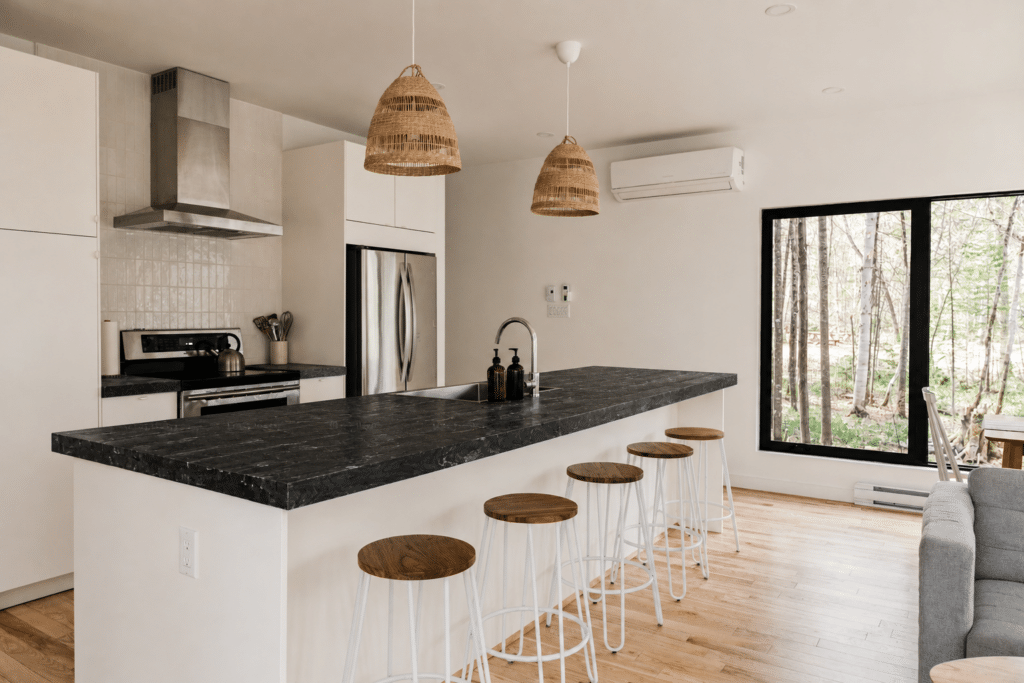
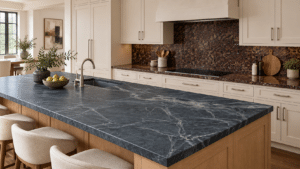
Soapstone has a quiet presence that suits a rustic kitchen without making the space feel heavy. Its surface is smooth to the touch, soft in sheen, and often deepens into charcoal, gray, green, or blue-black tones that sit well beside natural materials.
The material’s matte finish is part of its strength. Rustic kitchens usually need surfaces that absorb light softly rather than reflect it sharply. Soapstone gives the counter a grounded look, especially when paired with wood cabinetry, warm metals, stone flooring, or handmade backsplash tile.
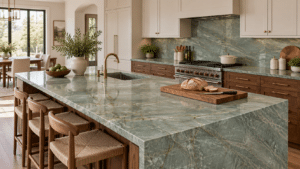
It also brings contrast without feeling harsh. A dark soapstone countertop can anchor lighter cabinetry. A green-gray slab can soften warm wood. A blue-black surface can give the room more depth without making the kitchen feel too formal.
The reason it works is not just color. It is a character.
Soapstone develops a natural patina over time, meaning the surface slowly gains a softer, more aged look through use. In a rustic kitchen, that lived-in quality can make the room feel collected, natural, and intentional.
How Patina Changes the Way Soapstone Ages
Patina is one of the main reasons people choose soapstone. It is also one of the main reasons some people decide against it.
In simple terms, patina is the surface’s natural change over time. With soapstone, the color may darken. Small marks can soften into the surface. Areas that are touched and used often may begin to look richer than areas that are used less.
For a rustic kitchen, that aging process can be part of the appeal. The counter does not have to remain visually untouched to stay beautiful. It can gain depth as the kitchen becomes part of daily life.
That said, patina is a preference. If you want a countertop that looks nearly the same year after year, soapstone may not be the right fit. If you like materials that show quiet signs of use, soapstone can feel more personal with time.
How Soapstone Performance Works in Daily Kitchen Use
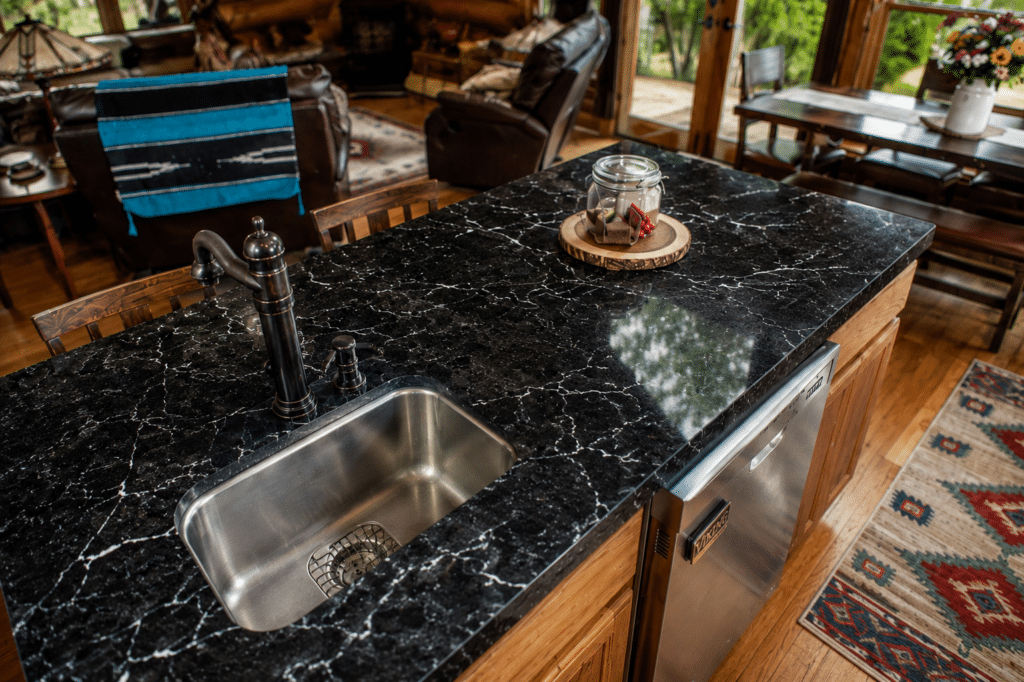
A rustic kitchen is usually chosen by someone who wants warmth, comfort, and materials that feel natural rather than overly polished. That makes soapstone a practical fit, not just a visual one.
Here is what to know before choosing it:
- It is naturally non-porous, so it does not absorb liquids the way many stones can.
- It handles heat well, which matters in a kitchen that is used often.
- It will darken over time, giving the surface more depth and age.
- It can scratch more easily than harder stones, but light marks can soften into the patina.
- It does not need to look untouched to look right.
Soapstone does not need sealing. Some homeowners choose mineral oil or wax to deepen the color more evenly, but that is a visual choice, not a requirement for protection.
Daily care is usually simple, but expectations matter. Soapstone is not chosen because it resists every visible sign of use. It is chosen because its signs of use can become part of the surface’s character.
For someone drawn to reclaimed wood, exposed stone, handmade tile, or hammered metal, soapstone’s changing surface often feels like part of the design rather than a compromise.
When Soapstone Is the Right Fit and When It May Not Be
When Soapstone Makes Sense
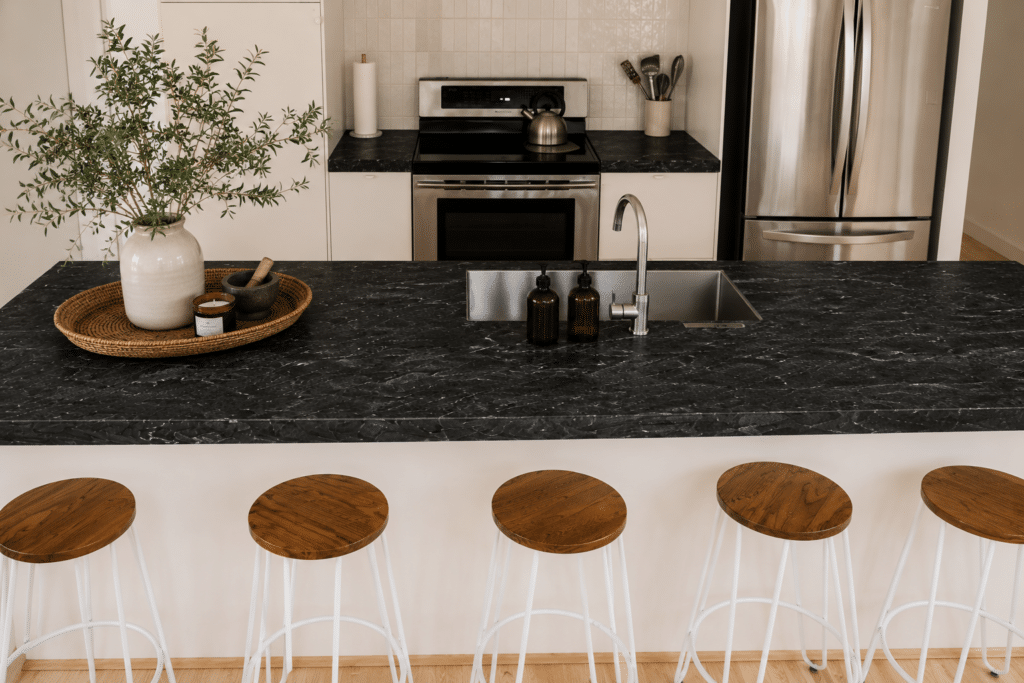
Soapstone is a strong fit when you want a rustic kitchen to feel warm, grounded, and used in a graceful way. It works well for people who are drawn to natural materials, visible texture, and surfaces that gain character instead of staying fixed in one perfect moment.
It may be right for you if you like:
- Reclaimed or natural wood
- Handmade tile
- Exposed beams or stone
- A softer matte finish
- A kitchen that feels collected over time
- Materials that show age in a subtle, honest way
In this kind of space, soapstone does not compete for attention. It settles into the room and helps the other materials feel connected.
When Another Surface May Be Better
Soapstone countertops may not be the best choice if you want a surface that looks exactly the same year after year. The material can scratch, darken, and develop variation through daily use. For some homeowners, that is the point. For others, it may feel too imperfect.
If you prefer a more uniform surface, quartz may feel more controlled. If you want stronger scratch resistance from a natural stone, quartzite or granite may be a better fit. The right choice depends on whether you see natural wear as character or as something you would rather avoid.
How Precision Stone Design Helps Protect the Final Look
Soapstone rewards intention. Because it darkens, softens, and develops character over time, the right slab and layout matter before fabrication begins.
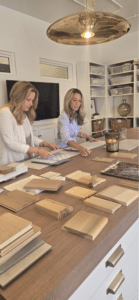
At Precision Stone Design, selection does not stop at choosing a material. The team helps you review how the surface will read in your actual kitchen, from color depth to edge profile to seam placement. Seeing the slab in person matters, especially with a material that changes so much depending on light, surrounding finishes, and the mood of the room.
After selection, the process continues with laser measurement and digital layout approval. That gives you a clearer view of where transitions, seams, and edges will land before the stone is cut. The goal is not to make soapstone look overly controlled. The goal is to make sure its natural character is placed with intention.
That step matters in a rustic kitchen, where visual rhythm is part of the design. Soapstone should feel natural, not accidental.
If you are considering soapstone countertops for a rustic kitchen, reserve a showroom visit to see the material in person, compare it with other stone selections, and review what will best support your design intent.
FAQs About Soapstone in Rustic Kitchens
Does soapstone stain easily?
Soapstone is naturally non-porous, so it resists staining well compared with many natural stones. It does not absorb liquids in the same way more porous materials can, which makes it practical for kitchen use.
Does soapstone scratch?
Yes, soapstone can scratch because it is softer than many countertop materials. For the right homeowner, that is not a drawback. Small marks often blend into the patina over time, giving the surface a more lived-in look.
Does soapstone need to be sealed?
Soapstone does not need sealing. Some homeowners choose mineral oil or wax to deepen the color more evenly, but that is a visual choice, not a sealing requirement.
Is soapstone good for rustic kitchens?
Yes. Soapstone works well in rustic kitchens because it pairs naturally with wood, handmade tile, exposed stone, and aged metal finishes. Its matte surface and evolving patina help the kitchen feel warm, grounded, and intentionally lived in.
What colors are common in soapstone countertops?
Soapstone commonly appears in shades of gray, charcoal, green-gray, blue-black, and deep black. Some slabs have subtle veining, while others look quieter and more uniform.
For rustic kitchens, those darker and softer tones can create balance. They can ground lighter cabinetry, soften warm wood, or add depth to a room without making the kitchen feel overly polished.
Can soapstone be used for backsplashes?
Yes. Soapstone can be used for backsplashes, and it can be especially effective when the goal is a more cohesive kitchen surface. Using soapstone on both the countertop and backsplash can reduce visual breaks and help the kitchen feel more connected.
This can work well in rustic kitchens where the design depends on fewer, stronger materials rather than too many separate finishes.