Alice Benjamin Interiors starts with a question that matters more than any finish: How do you want to live here?
For Alice Benjamin, personal design starts with the people in the room. Their habits and cultural roots become useful clues. This gives clients a clear test for each choice that follows. A surface belongs when it supports the life they want at home, since visual appeal alone is not enough.
Learn the Client Before Planning the Room
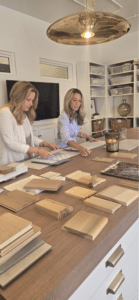
Alice Benjamin Interiors is a full-service Chicago interior design studio. Alice started the firm in 2002, and her team now works in the city, the North suburbs, Hinsdale, and other areas.
Her process begins with what she calls getting personal. Before she reaches for colors or materials, she learns how each client feels at ease in a space.
How does Alice Benjamin approach interior design? She studies the client’s habits, history, cultural roots, and idea of comfort. She may ask how someone likes to sit, which objects they keep close, or where they have felt most at home. Those answers turn taste into clear direction.
Small clues can say a great deal. A closet may show the colors someone wears with ease. A favorite hotel room may point to quiet tones or a love of strong contrast.
One person may want a firm chair, while someone else wants a deep seat where they can curl up.
These details turn the word “personal” into a working plan:
- Comfort: The room fits the way people sit, gather, work, and rest
- Memory: Art, travel, and family pieces give the home its own point of view
- Light: A taste for bright or dark rooms guides color and finish choices
- Routine: Storage and paths through the room fit the way the home runs each day
Once the design team knows those needs, the client can judge options against more than a trend.
The Art of Eating Shapes the Kitchen

Alice was born in Paris and raised in Montreal. She has also lived in Toronto and Chicago. Those places inform her design language, but her French ties to food offer one of the clearest views of her approach.
She speaks about the “art of eating.” The phrase treats a meal as daily work and a way to connect.
A kitchen must help someone cook with ease. It should keep tools close at hand and let guests join the room without getting in the cook’s way.
That view changes the questions asked at the start:
- Cooking: Does one person cook alone, or do several people share the work?
- Guests: Where can friends sit without blocking the work path?
- Storage: Which tools need quick reach, and what should stay out of sight?
- Stone: Where will heat, spills, knives, or constant cleaning put the most stress on the surface?
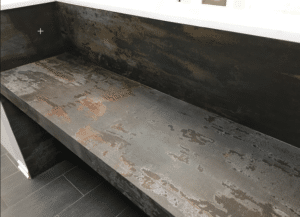
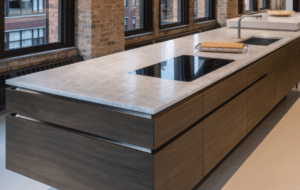
The answers shape the island, counter space, seating, storage, lighting, and work surfaces. They can show where a bold slab has room to stand out. They may also show where a calm material helps the rest of the room.
A kitchen feels true to its owner when it supports their idea of a good meal. One family may need a wide island for weekend cooking. Another may need a small work zone and a dining space made for long talks.
A Personal Plan Still Needs Firm Control
Alice worked in banking and insurance before entering interior design. That background gave her useful experience with budgets and complex projects. Her creative view grew from her life, her clients, and years spent in the field.
Those business skills matter on a full-service project. A personal plan must still move through bids, drawings, orders, lead times, and site limits.
At each handoff, the main idea can stay clear or start to fade.
The design team helps hold the line, along with the architect, builder, installers, fabricators, and other makers. Each person needs enough context to grasp why a detail matters. A note on the plan rarely tells the whole story.
With stone, that shared view can shape key choices:
- Slabs: The scale and flow should suit the room and the client’s taste for change
- Layout: Strong veins or shifts in color should land with care on islands, walls, and edges
- Fabrication: Seams, cutouts, edge profiles, and support need clear answers before work begins
- Installation: Access and final fit must work with the cabinetry and construction schedule
For teams with an approved stone plan, Precision Stone Design offers digital layout review and in-house fabrication. Both give the designer a chance to check key details before installation.
Choose Stone That Serves the Life Behind the Plan
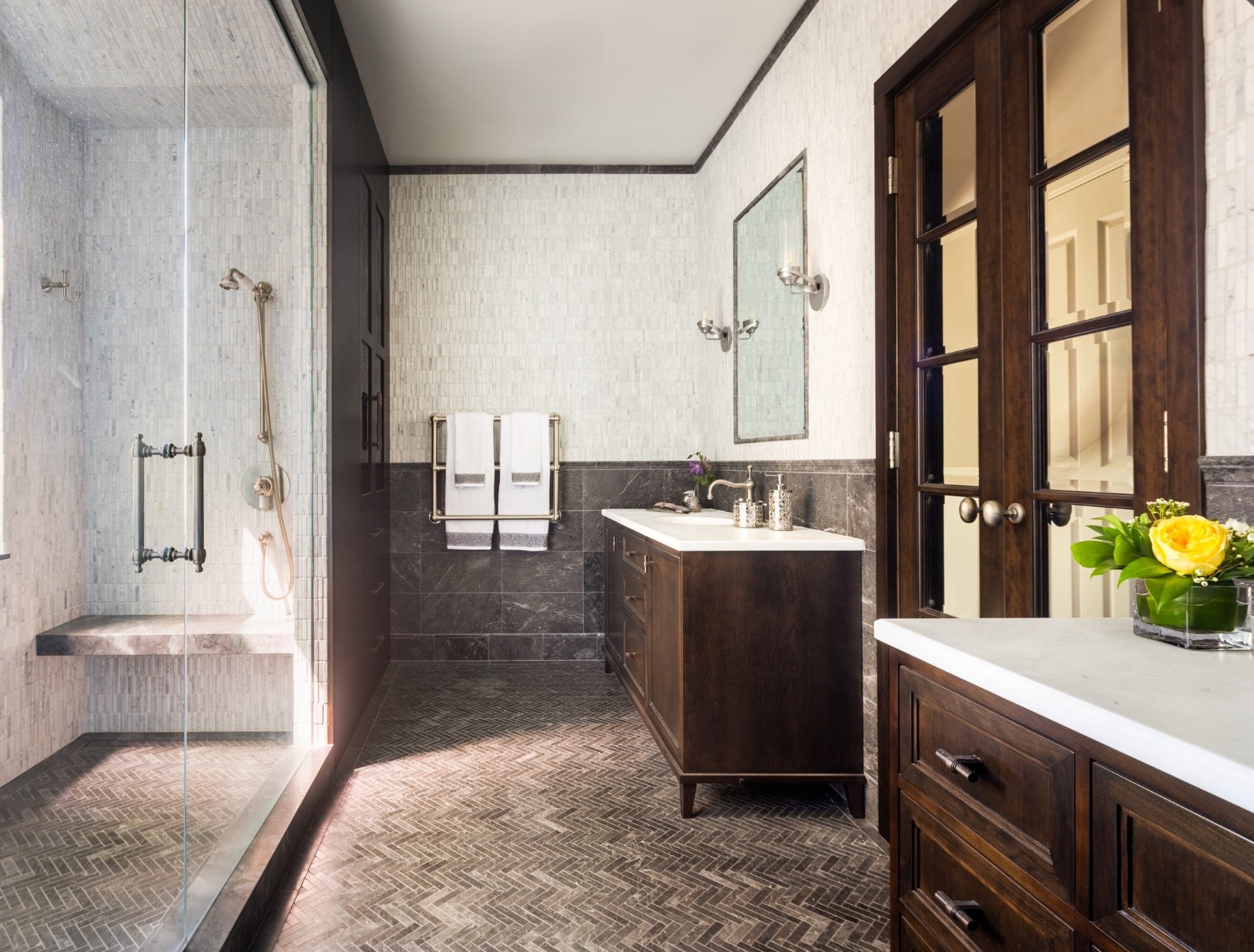
Alice’s work makes one point clear. A surface means more when it answers a real need. It may support serious cooking, calm a busy room, or link the space to something the client loves.
The design goal must stay in view as the work moves from concept to fabrication. A good trade conversation starts with the room and the person who will use it. Then the team can solve the cuts, seams, edges, and fit in a way that serves the idea.
Visit Alice Benjamin Interiors to see the studio’s work and point of view. You can also read how Precision handled custom stonework in a Streeterville home.
Begin a stone conversation with Precision Stone Design.
Frequently Asked Questions
Who Is Alice Benjamin?
Alice Benjamin is the founder of Alice Benjamin Interiors, a full-service Chicago design studio launched in 2002. She was born in Paris, grew up in Montreal, and has lived in Toronto and Chicago. Her work draws on each client’s life, roots, and sense of comfort.
What Is Alice Benjamin Interiors Known For?
The studio is known for homes shaped around the client. The team learns how people live and what helps them feel at ease. It then carries those clues through space planning, materials, furnishings, sourcing, and project oversight.
Where Does Alice Benjamin Interiors Work?
The studio is based in Chicago. It works in the city, Chicago’s North suburbs, Hinsdale, and other areas. Clients should contact the firm to check the fit, scope, and service area for a given home.
How Does Alice Benjamin Plan a Kitchen?
Alice links kitchen design to the “art of eating.” She looks at how the client cooks, where guests gather, what needs to stay close, and what the surfaces must handle. Those habits shape the room before colors and finishes take the lead.
How Does Precision Stone Design Help Designers?
Precision Stone Design helps with slab selection, digital layout review, fabrication, finishing, and installation planning. This lets the team check slab flow, seams, edges, and site limits before cutting starts. Learn more about Precision’s support for designers.