Inspiration has never been easier to find. Neither have products, materials, advice, opinions or examples of what someone else has done with a space.
Information is abundant. Knowing what matters is where expertise comes in.
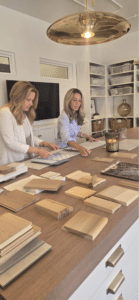
That idea surfaced repeatedly in a conversation with Areté designers Shannon and Ivana—not as a philosophy they recited, but in the way they talked about their work. Clients arrive with ideas, images and possibilities. The designers’ job is to help determine what matters, what works together and what makes sense for this particular project.
Sometimes that begins with interpreting what a client has already collected.
A client may share dozens—or hundreds—of inspiration images before the design direction has been established. What looks like one collection of things they love may actually contain several very different design languages.
Ivana described sorting through those images and grouping what she sees into a much smaller number of directions. “These are the three styles that we saw in your inspirational photos,” she tells clients. From there, they can begin figuring out what they respond to most.
Even when a client sends hundreds of images, Ivana said, “I’m going to stick to three options.” Mood boards and 3D modeling then give clients something more useful than an ever-expanding collection of inspiration: a direction they can see, react to and refine.
More choices don’t necessarily lead to better design. Better information does.
And clarity doesn’t stop once the aesthetic direction has been established.
“We know what to expect, but they can’t read our minds,” Shannon said. “You have to guide them along the way.”
That led to one of the most interesting observations in our conversation: predictability builds trust.
For Areté, predictability doesn’t mean pretending a renovation will unfold without surprises. It means making sure the client isn’t continually wondering what is happening, what comes next or whether someone is paying attention.
“You can’t just present the design and say, ‘Okay, here you go. We’ll call you when we’re ready for the next step,’” Ivana explained. “You have to have a plan. The client needs to see the whole vision, the whole process.”
The designers remain involved as work moves from drawings and specifications into construction, with scheduled visits and ongoing communication. Shannon said that involvement became more deliberate after seeing how much clients wanted someone alongside them throughout the process—not simply someone who created the plans and then disappeared until the project was finished.
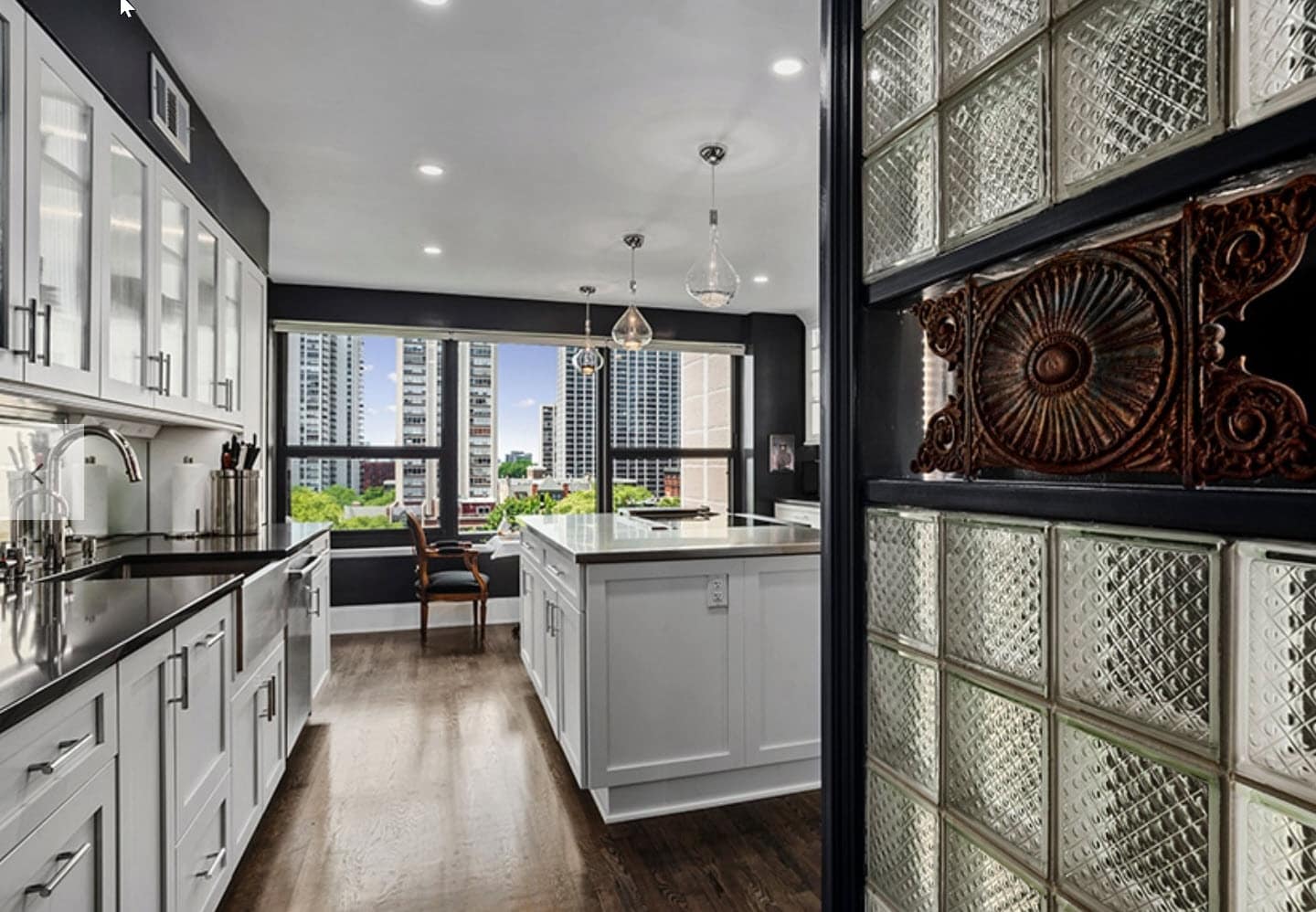
Details that may look small on a drawing can become expensive once they’re being built. Catching something before an installer moves on can protect the finished result, but it can also protect the budget and schedule.
As Ivana put it, “When the client is informed and has predictability,” that is where trust grows.
That combination of information, judgment and communication extends beyond the relationship between designer and client. It also shapes the relationships with the architects, contractors, manufacturers, fabricators and specialists contributing their expertise to a project.
Shannon pointed to her relationship with Amanda at Precision Stone Design as one example. When she has a question—or simply an idea she wants to explore—she can ask what is possible before committing the project to it.
“The collaboration and communication and relationship that I have with Precision is phenomenal,” Shannon said. “It makes me feel like I’m supported, and I know what to do.”
Sometimes the answer is that an idea can’t be fabricated as imagined. Other times there’s an alternative, along with information about what it will cost. “If I have questions, or even if I have a random idea,” Shannon explained, the conversation becomes: “We can’t do that, but if you want to do this, it’s going to cost this much money. Is this worth it?”
That is a more useful role for expertise than simply having an answer.
The designer still makes the design decision. But she makes it with enough relevant information to exercise her own judgment, understand the implications and explain those implications to the client.
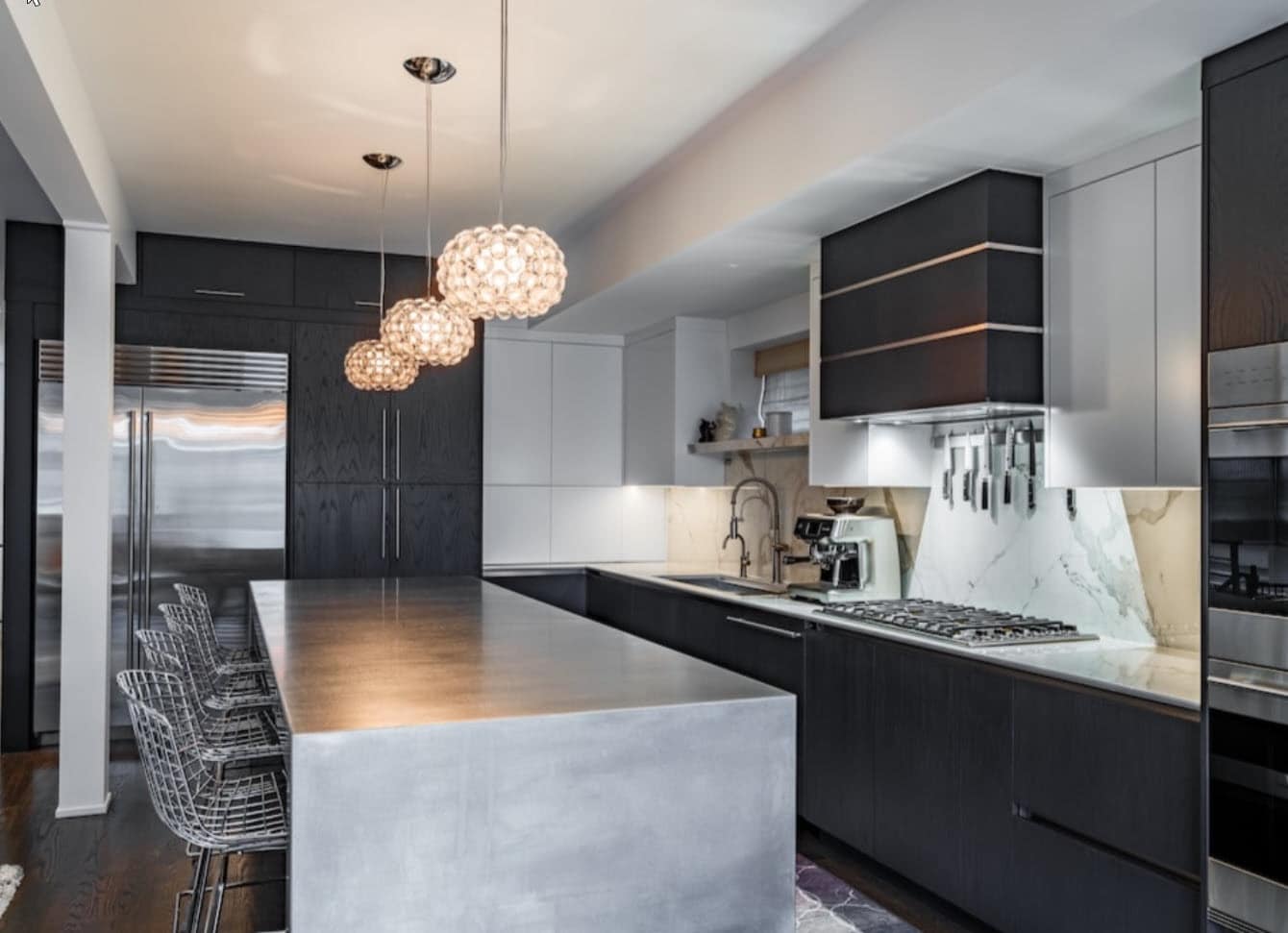
Clients can enter the design process with more inspiration and information than ever before. What they don’t necessarily have—and shouldn’t be expected to have—is the experience to determine which possibilities are relevant to their particular project, space, style and budget.
That is part of the value of expertise: not simply knowing more, but making complicated things clear enough for someone else to understand them and make a decision.
Before a project, clarity helps people make decisions. As the project moves forward, predictability helps them trust the process.
For Shannon and Ivana, those aren’t separate parts of the work. One helps a client understand where they’re going. The other gives them confidence that someone knows how to get them there.